Knowledge base
Intelligent hearing protection – attenuation or filtering?
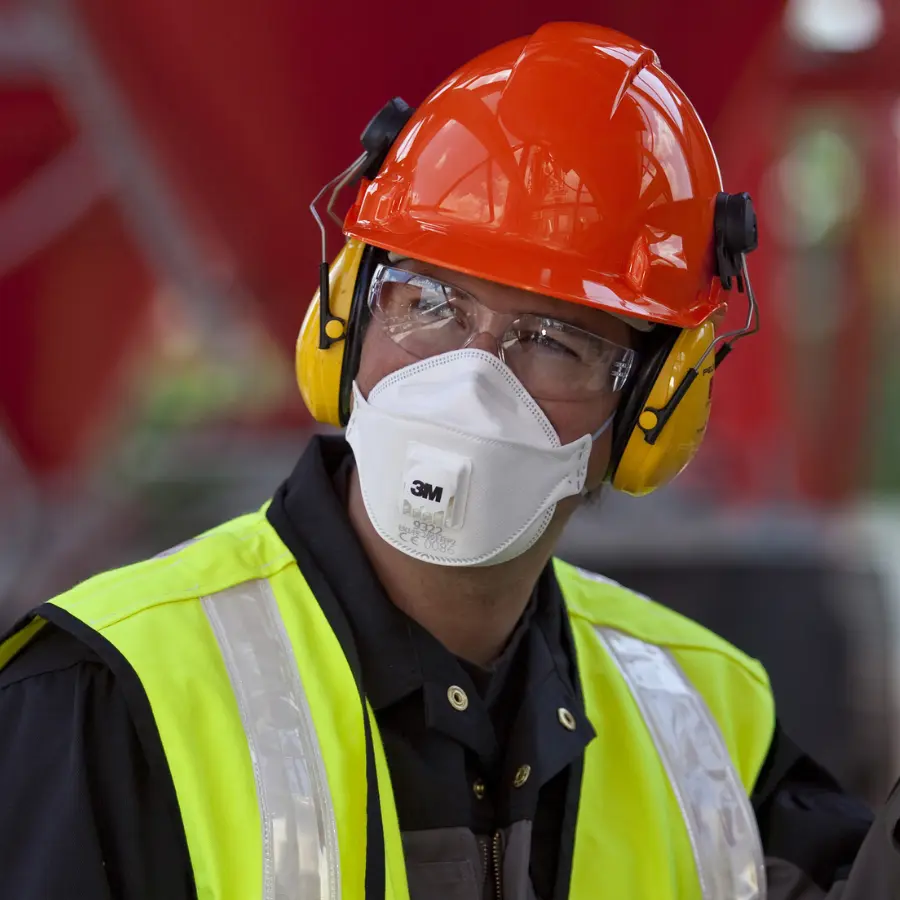
Hearing damage often occurs without you realising it, but is almost always permanent. That is why effective hearing protection is essential in work environments with high noise levels. Whereas traditional hearing protection simply dampens all sounds, smart hearing protection offers a more sophisticated solution. In this article, we explain the difference between noise attenuation and noise filtering, and when each is most suitable.
What is intelligent (filtering) hearing protection?
Intelligent hearing protection safeguards hearing against harmful noise levels without completely isolating the user from their surroundings. Important sounds such as speech, warning signals, ambient noise and changes in machine noise remain audible. Depending on the type, this hearing protection uses mechanical filters or electronic systems that automatically adjust the sound. The aim is controlled noise reduction, so that protection and safety go hand in hand.
Noise Attenuation vs. Noise Filtering
Noise Attenuation – Traditional Hearing Protection
Noise-attenuating hearing protection is designed to provide maximum protection against continuous and high-intensity noise. With this type of hearing protection, all sounds are attenuated equally, regardless of pitch or source. This type of hearing protection is primarily intended for situations where loud noises are present for extended periods and where there is little need for communication between people.
This type of hearing protection is widely used in sectors such as heavy industry, construction and manufacturing. In such environments, reducing noise exposure is paramount, and consistent, reliable attenuation is essential to prevent hearing damage.
Earplugs and earmuffs with noise attenuation comply with the European EN 352 standard and are assigned an SNR value. This value indicates the average noise reduction and is an important tool in selecting the correct hearing protection for a specific environment. The higher the SNR value, the greater the attenuation.
Hearing protection is a legal requirement from an average noise level of 85 dB(A) upwards. In these situations, noise attenuation is often the first choice. However, it remains important to avoid over-protection. Too much attenuation can lead to reduced alertness and the failure to hear important safety signals.
Noise filtering – intelligent hearing protection
Noise filtering provides protection by selectively reducing harmful noise levels. Rather than attenuating all sounds equally, this type of hearing protection allows relevant ambient sounds to pass through. As a result, speech, signals and sounds that are important for work remain clearly audible.
This ensures a natural sound experience and greater wearing comfort, particularly in work environments where noise levels vary. Employees remain more aware of their surroundings and can react more quickly to situations requiring attention, without overloading their hearing.
Like traditional hearing protection, filtering and electronic hearing protection fall under the EN 352 standard. Additional requirements apply to these devices, for example regarding the operation of the filters and the electronic limiting of loud noises. Unlike maximum attenuation, the focus here is on balanced protection, tailored to the practical working situation.
Noise filtering is therefore a logical choice for workplaces where communication is essential and where employees must remain constantly alert, such as in production environments, technical services and industrial settings.
The difference between passive and electronic earplugs
Within noise filtering, a distinction can be made between passive and electronic solutions. Passive filters offer a fixed, pre-set attenuation and are compact and low-maintenance. Electronic hearing protection actively adjusts the noise level and can even amplify soft sounds. This makes electronic solutions suitable for dynamic working environments where noise levels vary significantly.
When is which type of hearing protection the best choice?
The choice of the right hearing protection depends on the nature of the work, the noise level and the extent to which communication and situational awareness are necessary.
Construction
On a construction site, there is often loud and fluctuating noise from machinery, tools and vehicles. Noise levels can be very high, and workers are often exposed to noise for long periods. At the same time, it is important to remain alert to movements, instructions and safety signals.
In many construction situations, hearing protection with high noise attenuation is necessary. Where communication or hearing signals is essential, intelligent or electronic hearing protection can be a useful addition.
Industry
In industrial environments, such as production halls and factories, noise levels are often consistently high over long periods. Machinery runs continuously and the noise exposure is highly predictable. Communication is usually less frequent or can take place outside the noisy areas.
Here, noise-reducing hearing protection is often the most suitable choice. Earplugs or earmuffs with an appropriate SNR rating provide reliable protection against hearing damage. It is important that the attenuation matches the actual noise level to prevent over-protection.
Transport
In transport environments, such as ports, transhipment sites and rail or road transport, noise levels vary greatly. Staff have to deal with vehicles, reversing signals and verbal instructions, often in a dynamic environment.
Intelligent hearing protection with noise filtering is a good solution here. This protection attenuates harmful noise, whilst warning signals and communication remain audible. This contributes to both safety and working comfort.
Need help?
Smart hearing protection offers a well-thought-out solution for modern working environments where safety, comfort and communication come together. Would you like advice or further information on suitable hearing protection for your workplace? Contact us today on T. +31 (0)181 47 50 00. Our enthusiastic team will be happy to tell you more!