
News
Not all chemical hazards require the same protection
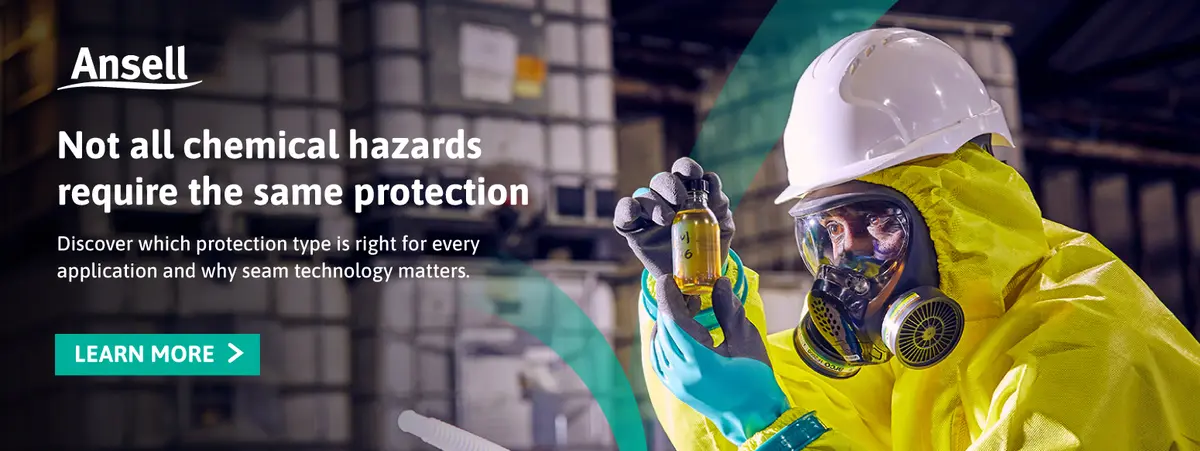
Chemical hazards vary across workplaces. Recommending the right protective suit helps customers protect their workforce while supporting safe and efficient operations. It is critical because workers may encounter hazardous chemicals during handling, processing, maintenance, and emergency response activities.
Furthermore, protective clothing helps minimise the transfer of hazardous substances between workers, products, and environments. It also ensures workplace performance by supporting mobility, comfort, and wearer acceptance during extended use.
Understanding Chemical Protection Types
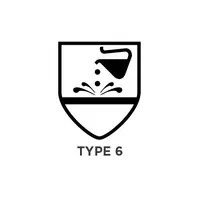
Not all chemical exposures require the same level of protection. Understanding the differences helps you recommend the most appropriate solution for each application. European standards classify protective clothing based on the type of hazard it can withstand.
|
|
|
|
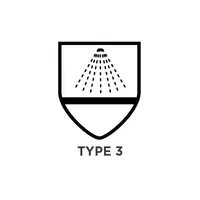
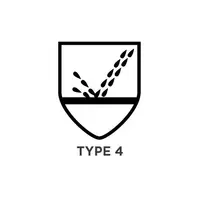
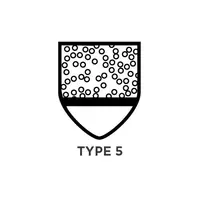
Liquid-tight with welded or | Spray-tight; shields against | Particle-tight; seals out | Reduced performance; defends |
Why Does Seam Technology Matter?
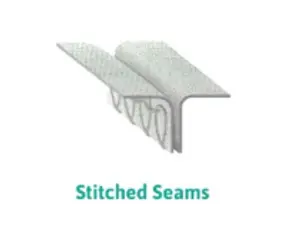
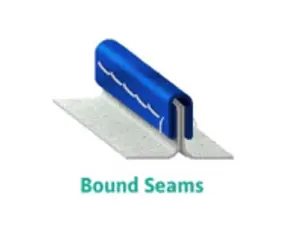
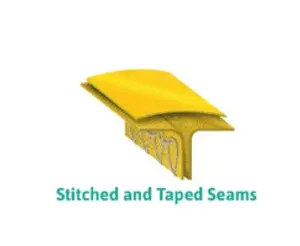
Understanding seam technology helps you recommend the right level of protection. While the fabric creates the protective barrier, seam construction helps maintain protection where garment panels are joined.
|
|
|
Fabric panels are joined using thread | A binding layer reinforces stitched | Seams are sealed to create an |
| Helping customers select the right protective clothing does not have to be complicated. Ansell helps distributors and their customers identify suitable protective clothing solutions by connecting workplace hazards, application requirements and product performance data. AnsellGuardian™ Chemical simplifies PPE selection by helping you identify suitable solutions for your customers' applications.
|
Trusted Across Industries
Energy
Defence
Chemical
Automotive
Life Sciences
Manufacturing
Food Processing
Emergency Medical Services
Explore Ansell's complete chemical protective clothing portfolio and discover how the right garment, protection type and seam technology help you recommend the right solution for every application.